Skip to:

Food
White Chocolate 101: How It’s Made and Why We Love It
Creamy, sweet, and irresistibly smooth, white chocolate stands apart in the world of chocolate. Its pale hue, silky texture, and luxurious melt have made it one of the most intriguing (and most debated) varieties.
Search trends show that people are asking everything from ‘what is white chocolate’ to ‘is white chocolate real’. Behind those questions lies a fascination with a chocolate that breaks the rules: rich without bitterness, indulgent without intensity, and defined as much by texture as by taste.
This guide explores what makes white chocolate unique, why it continues to captivate, and how Magnum transforms its signature creaminess into an unforgettable dessert experience.
What is White Chocolate?
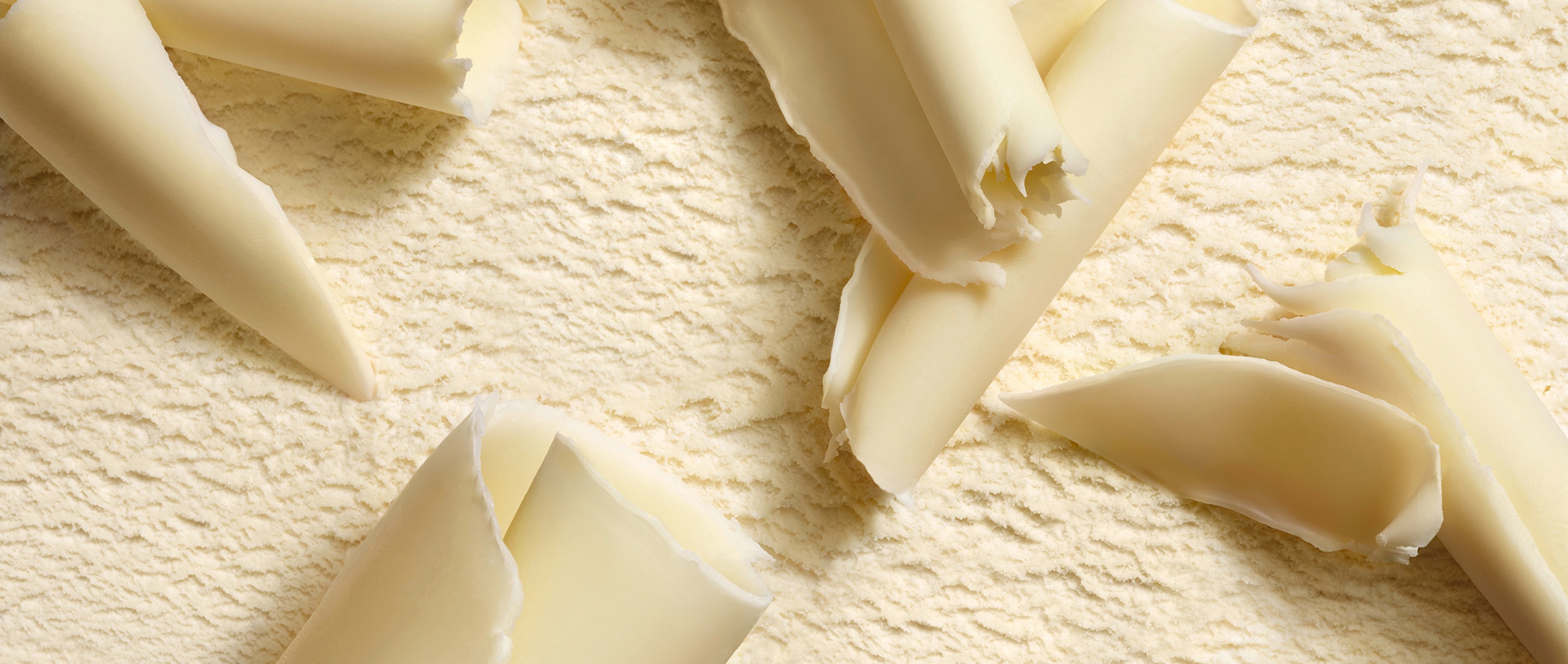
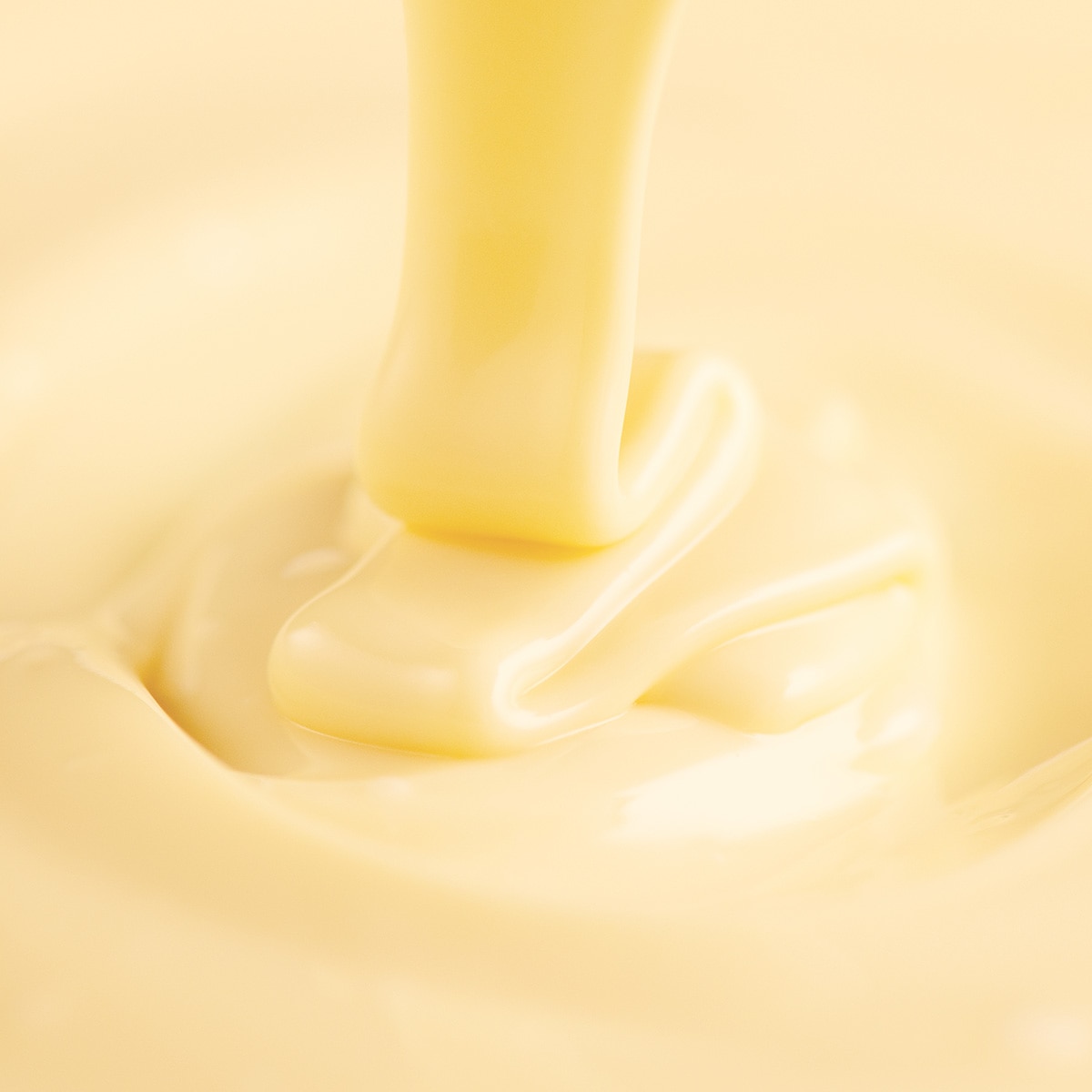
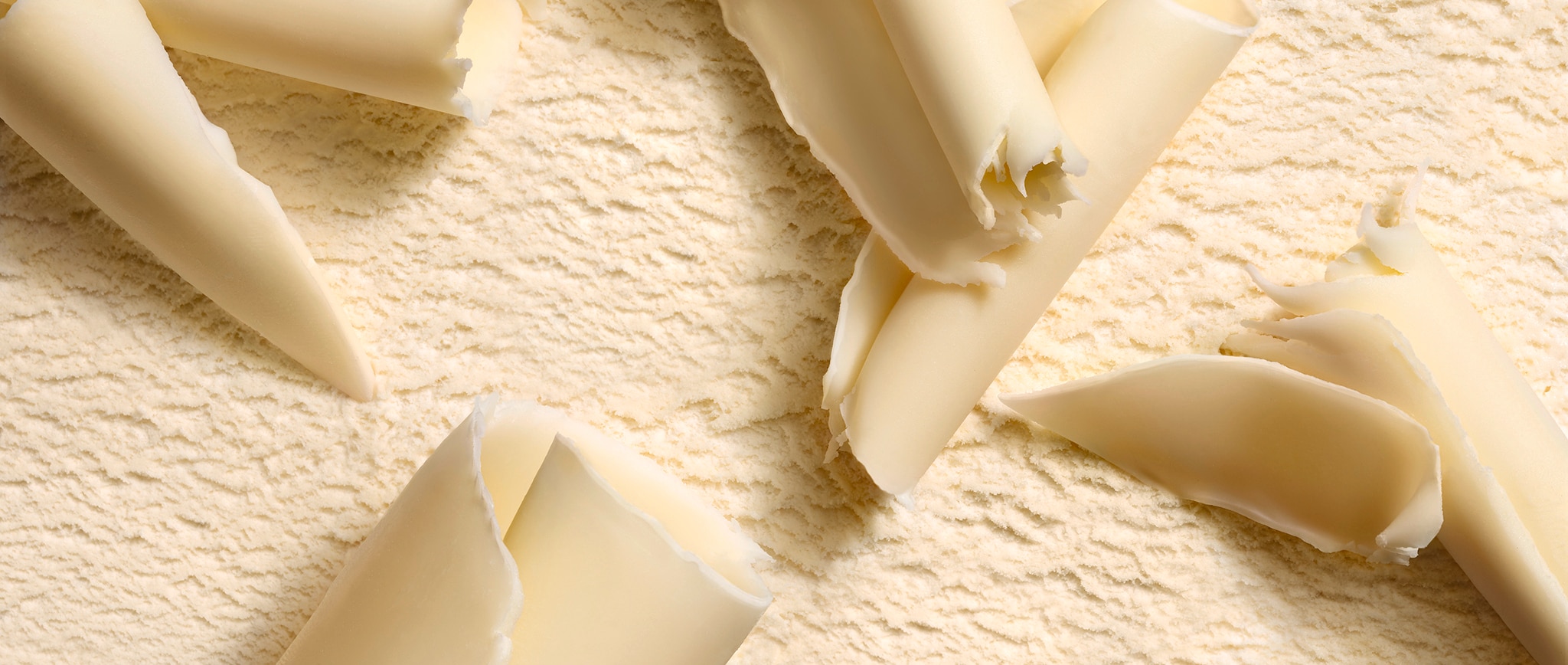
Unlike dark or milk chocolate, white chocolate contains no cocoa solids. Instead, it’s made from cocoa butter (the naturally rich fat of the cocoa bean) which gives white chocolate its pale ivory color and silky texture. Cocoa butter melts at body temperature, giving white chocolate its instantly indulgent, melt-on-the-tongue feel.
Its flavor is gentle and rounded, with soft sweetness and subtle notes of vanilla. The result is a chocolate that’s velvety rather than intense, making it especially suited to pairing with fruit, pastry, and ice cream.
What Is White Chocolate Made Of?
To understand what gives white chocolate its signature flavor, it helps to look at the core ingredients.
Cocoa Butter
The foundation of white chocolate. Extracted from the cocoa bean, cocoa butter delivers its smooth texture, glossy finish, and melt-in-the-mouth feel, as well as its light color.
Sugar
Adds sweetness and balances the natural richness of cocoa butter.
Milk Solids
These deepen the creamy flavor that feels indulgent and comforting.
Vanilla Flavoring
Often added in small amounts to enhance aroma and lend warmth to the overall profile.
Emulsifiers
Used sparingly to ensure a smooth, even consistency.
Is White Chocolate “Real” Chocolate?
This question often comes up because white chocolate looks and tastes different from other varieties. The debate usually centers on cocoa solids. Dark and milk chocolate contain cocoa solids, which bring color and deeper cocoa flavor. White chocolate is made from cocoa butter instead. Both come from the same cocoa bean, yet their characteristics differ.
According to FDA guidelines, white chocolate must contain a minimum percentage of cocoa butter, milk solids and sugar to be labeled as white chocolate. It doesn’t need cocoa solids, which is why some people question if it’s “real chocolate”. But cocoa butter is a true cocoa ingredient. It carries the natural aroma and smoothness that define chocolate at its core.
How White Chocolate Is Made
Creating white chocolate is a meticulous craft guided by chocolatiers who understand the delicate balance of flavor and texture. Here is the journey from cocoa bean to creamy delight.
- The process begins with cocoa beans, which are pressed to separate cocoa solids from cocoa butter. This cocoa butter is then refined until it’s smooth, aromatic, and ready to form the base of white chocolate.
- Cocoa butter is carefully blended with sugar, milk solids, and vanilla. The mixture is refined to achieve a uniform, silky texture and a balanced sweetness.
- The chocolate is slowly mixed and aerated in a conching process that can last several hours. This step polishes the texture, softens any sharp notes, and creates white chocolate’s signature velvety texture.
- Finally, the chocolate is tempered through controlled heating and cooling to stabilize the cocoa butter. This gives white chocolate its glossy finish, clean snap, and smooth melt before it’s molded and cooled.
White Chocolate vs Milk Chocolate
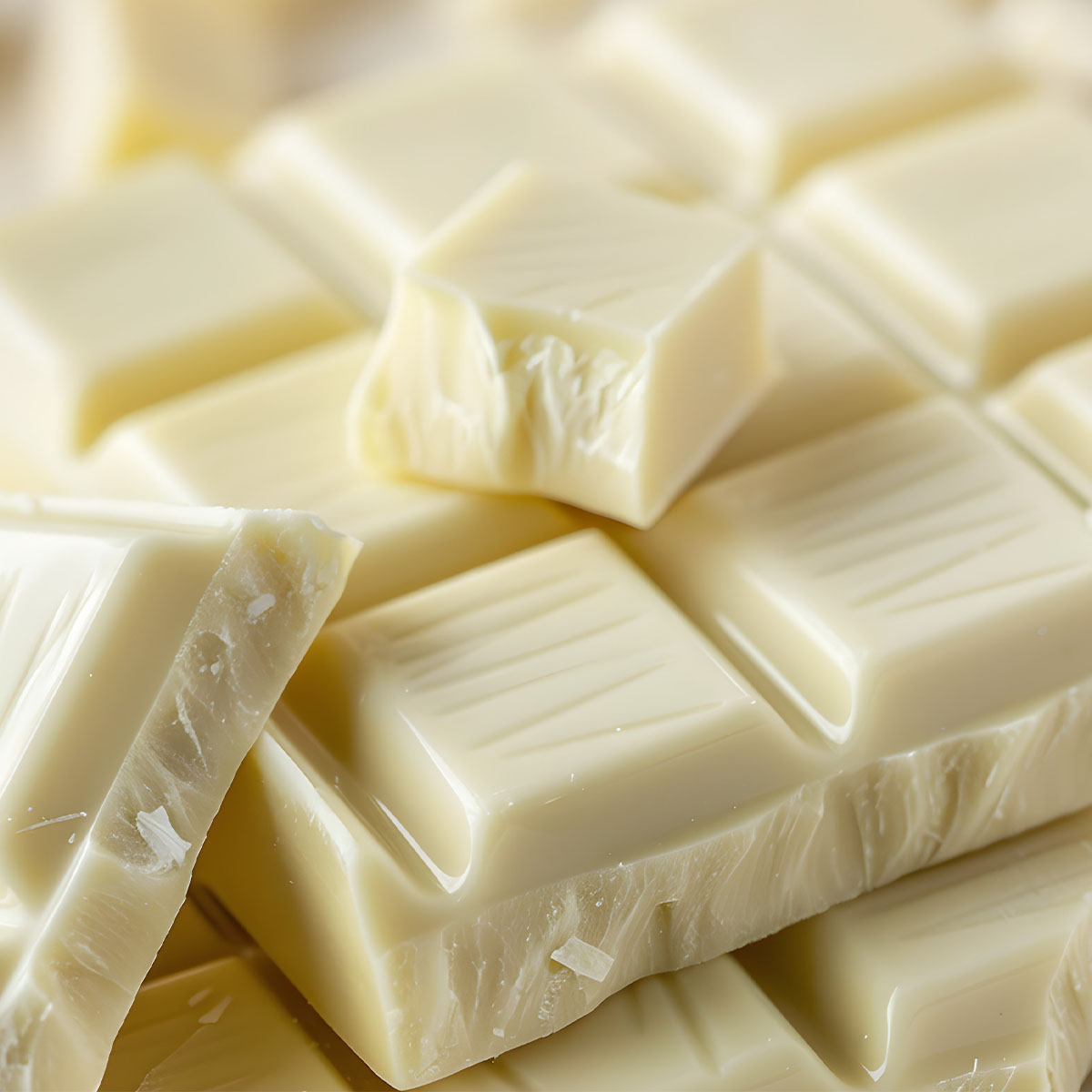
Unlike milk chocolate, which offers a richer profile with gentle cocoa depth, white chocolate is sweet, silky, and vanilla-forward. The distinction comes down to composition: milk chocolate contains cocoa solids alongside cocoa butter, whereas white chocolate relies entirely on cocoa butter.
Aromatically, there are some differences too. White chocolate feels warm and creamy, carried by soft dairy and vanilla notes. Milk chocolate brings a touch of cocoa to the aroma, lending a deeper, toastier dimension.
Want to see how white chocolate stacks up against milk and dark? Explore our full chocolate comparison guide.
How Magnum Uses White Chocolate
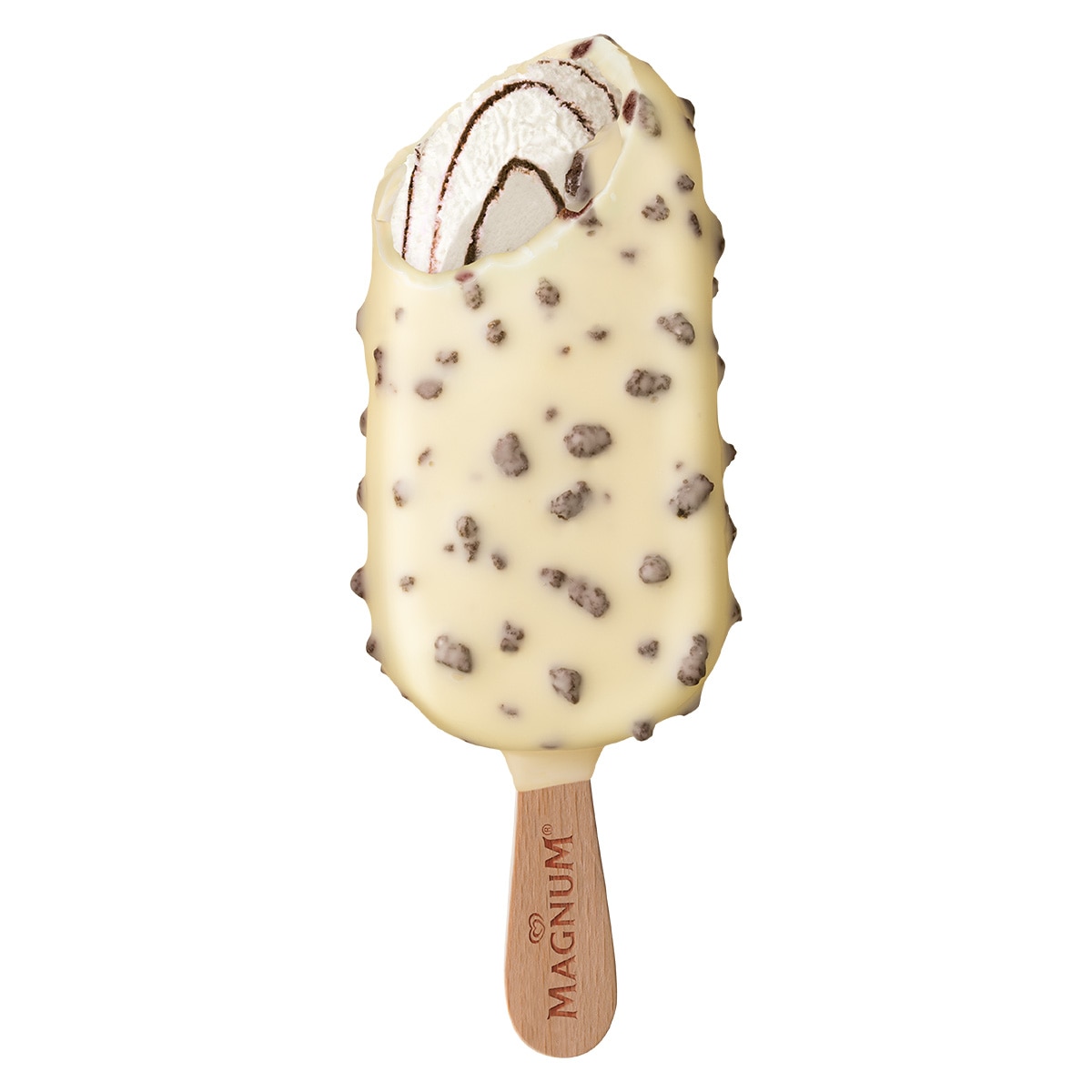
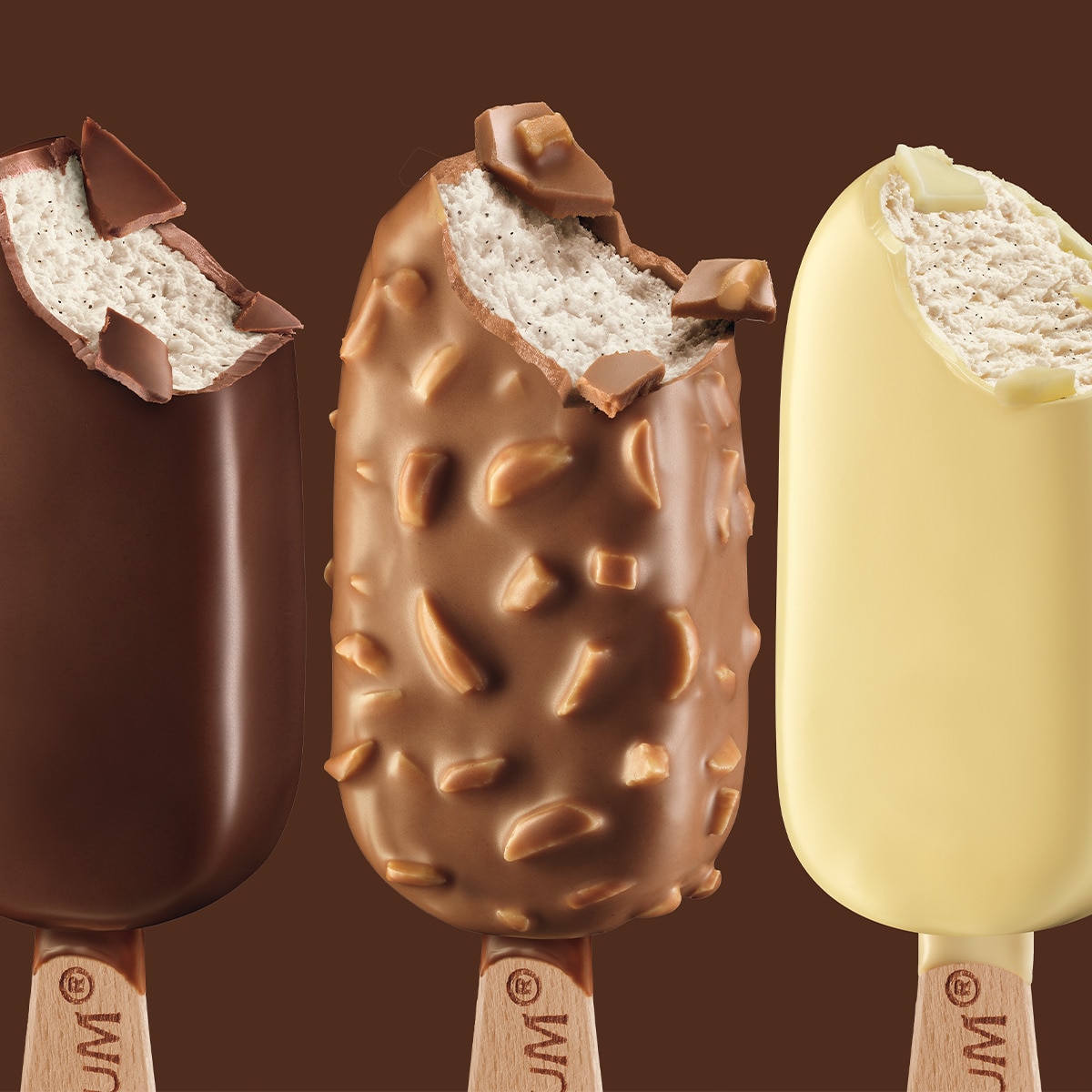
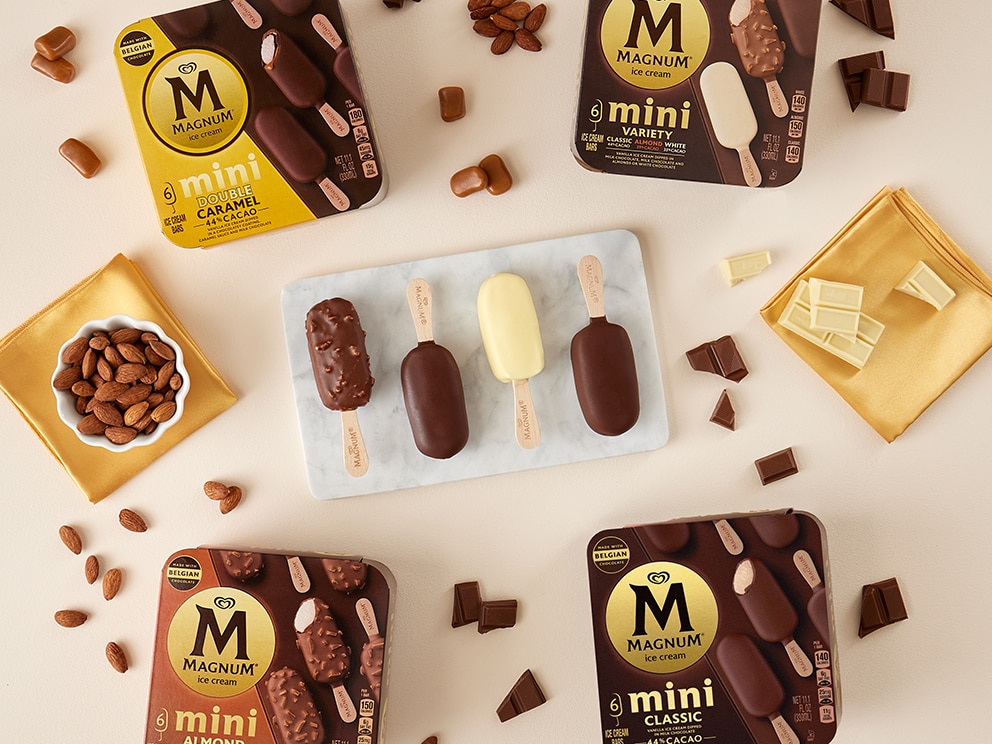
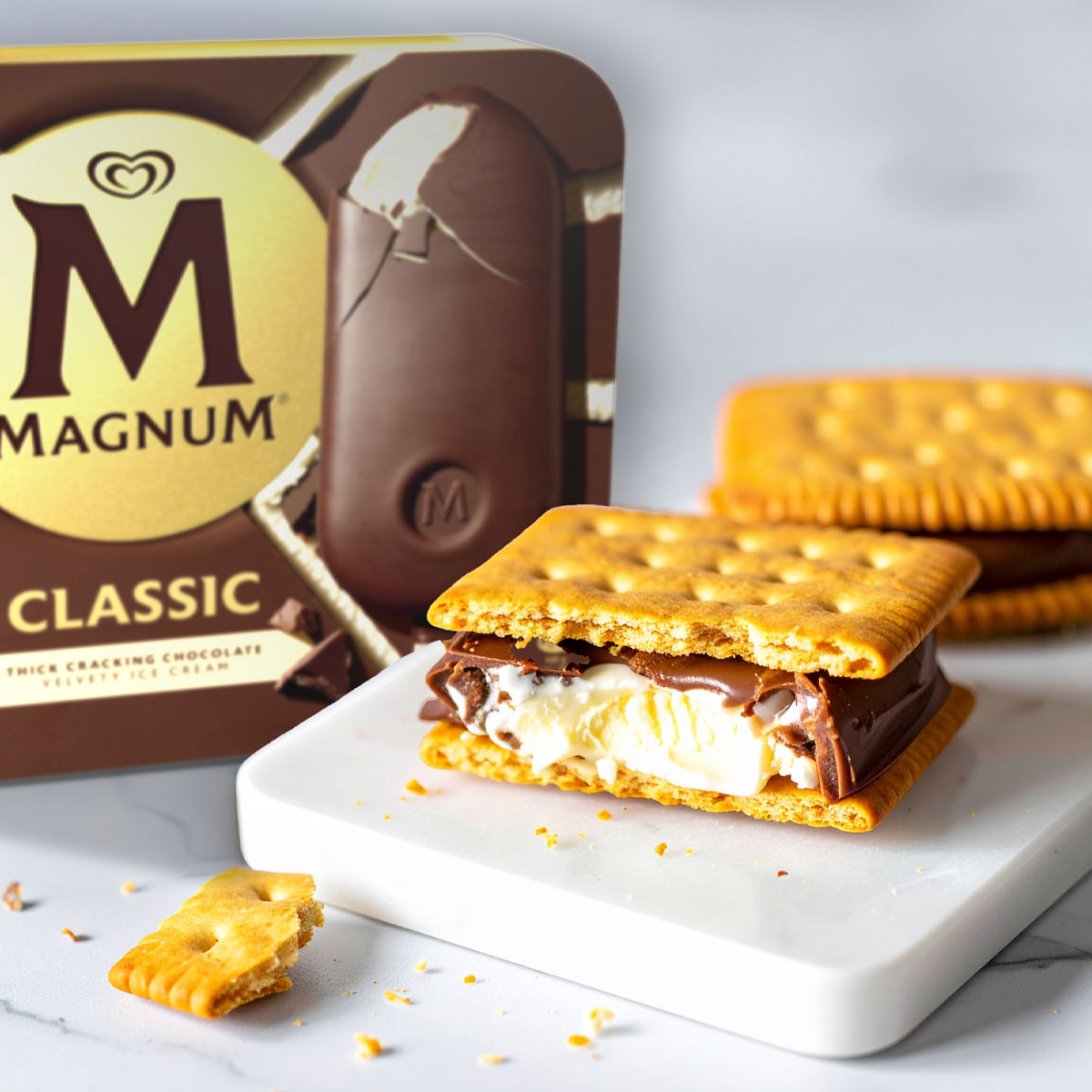
Magnum has long celebrated the artistry of chocolate. We use premium cocoa butter to create white chocolate with a satisfying crack that feels indulgent and dramatic with every bite. The sweet, creamy flavor also highlights Magnum’s vanilla ice cream, enhancing its richness. The Magnum Mini White Chocolate & Cookies Ice Cream Bar has become a favorite for its refined flavor and textural contrast.
FAQs
White chocolate is made of cocoa butter, sugar, milk solids, vanilla flavoring, and emulsifiers.
Yes. White chocolate contains cocoa butter, a true cocoa ingredient. Even though it doesn’t contain cocoa solids, it is defined as chocolate by regulatory standards when it meets required cocoa butter and milk content levels.
White chocolate is made from cocoa butter without cocoa solids, giving it a creamy, sweet, vanilla-forward flavor. Milk chocolate includes cocoa solids, which create a richer, deeper chocolate taste.
PRODUCTS
Select Your Indulgence
;Resize=(320,320))
;Resize=(320,320))
Next Stories

- slide 1
- slide 2
- slide 3
- slide 4
- slide 5
- slide 6
PRODUCTS
;Resize=(320,320))