Skip to:
Food
Where Does Chocolate Come From?
Asking who invented chocolate opens the door to a story that spans centuries, from ancient cacao rituals in Mesoamerica to the chocolate enjoyed around the world today.
Chocolate developed gradually over thousands of years, starting with ancient civilizations like the Olmecs, Maya, and Aztecs, who transformed cacao into ceremonial drinks and treasured cultural traditions long before modern chocolate bars existed.
From Latin America to the modern day, chocolate has evolved through centuries of craftsmanship and innovation. So, it’s only natural to wonder: Where does chocolate come from? How was chocolate invented? And how did cacao eventually inspire the Magnum ice cream bars enjoyed today? Join us for a journey as we uncover where chocolate originated- from ancient cacao traditions to the chocolate enjoyed today.
The History of Chocolate
Who Invented Chocolate?
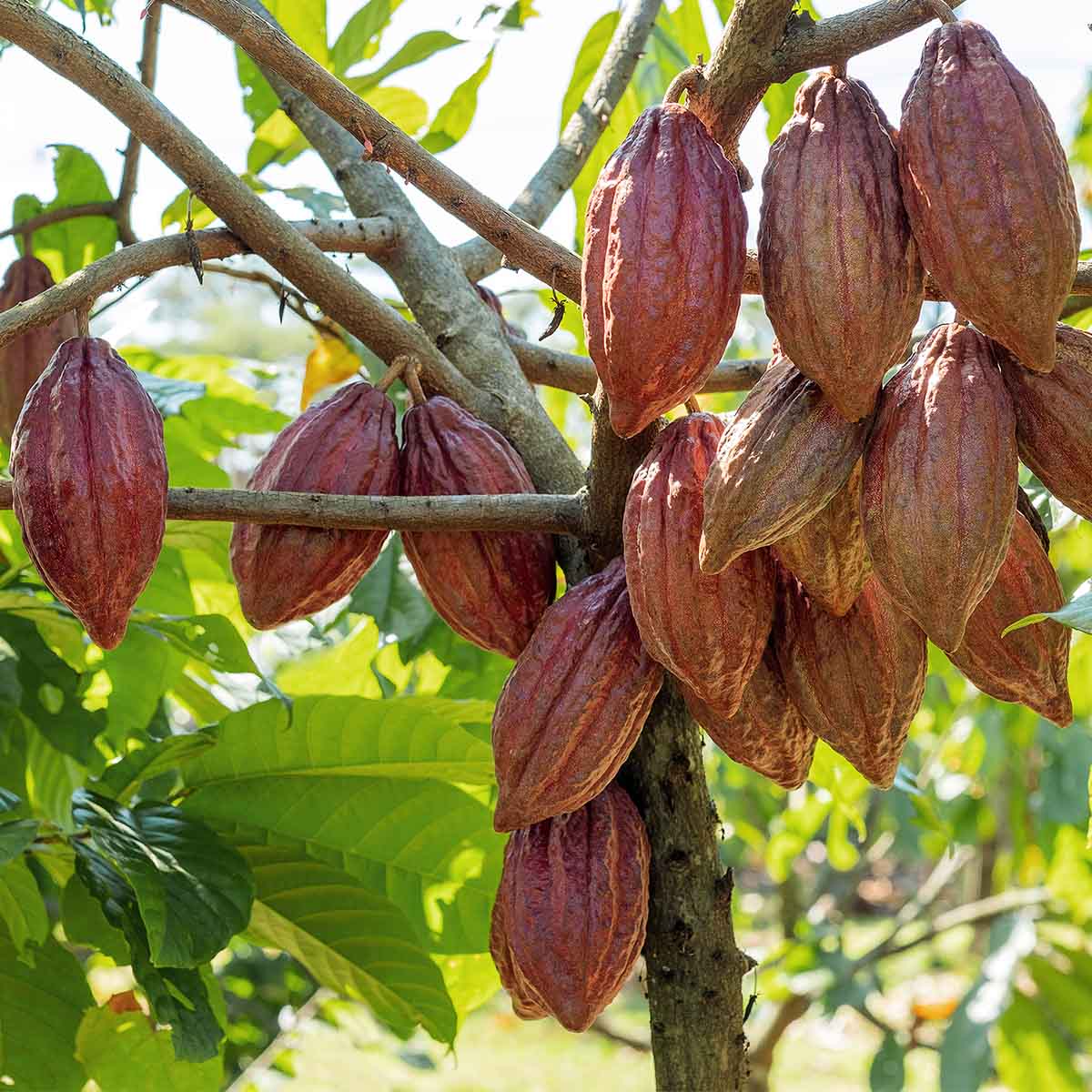
Chocolate was not invented by one single person. If you’re curious about where chocolate originated from, the answer always leads back to tropical cacao-growing regions in Latin America.
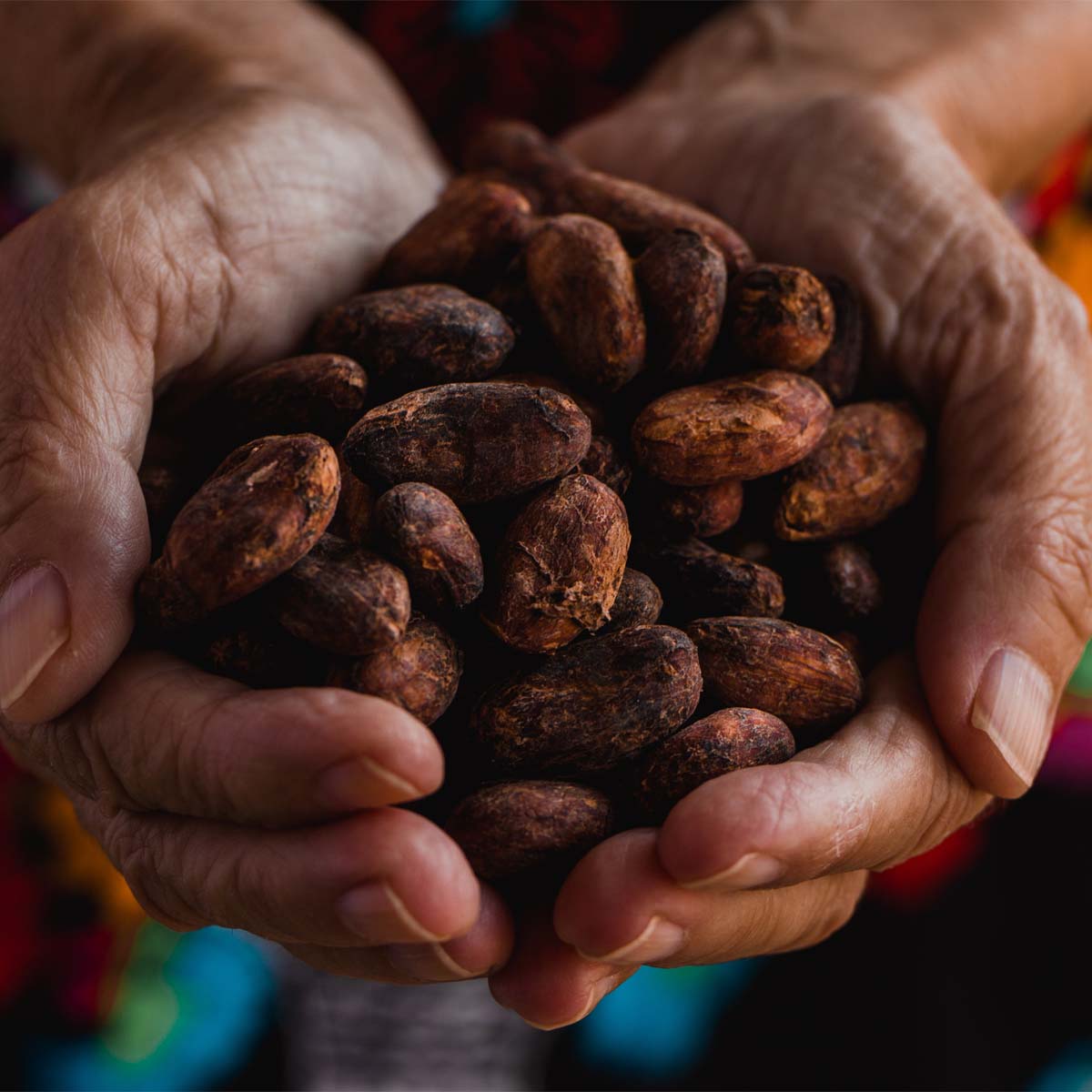
Chocolate begins its 4,000 years of history in ancient Mesoamerica, present day Mexico and the birthplace of chocolate. It’s here that cacao plants, from which chocolate is made, were first found. The Olmec, one of the earliest civilizations in Latin America, was the first to turn the cacao plant into chocolate. They drank an ancient chocolate drink during rituals and used it as medicine.
Centuries later, the Mayans praised chocolate as the drink of the gods. Mayan chocolate was a revered brew made of roasted and ground cacao seeds mixed with chilies, water, and cornmeal. Mayans poured this mixture from one pot to another, creating a thick, foamy beverage called “xocolatl”, meaning “bitter water".
By the 15th century, the Aztecs used cocoa beans as currency. They believed that chocolate was a gift from the god Quetzalcoatl and drank it as a refreshing beverage, an aphrodisiac, and even to prepare for war. So, where was chocolate invented? The answer traces back to these early civilizations, where cacao became deeply connected to ritual, trade, and daily life.
When Did Chocolate Come to Europe?
No one knows for sure when chocolate arrived in Europe. Legend has it that explorer Hernán Cortés was one of the first Europeans who discovered chocolate and brought it back to his homeland of Spain in 1528. He was believed to have encountered chocolate during an expedition to the Americas.
When Cortés returned home, he introduced cocoa seeds to the Spanish. Though still served as a drink, Spanish chocolate beverages were mixed with sugar and honey to sweeten the naturally bitter taste.
Chocolate quickly became popular among the rich and wealthy in Spain. Even Catholic monks loved chocolate and drank it to aid religious practices.
Chocolate Captivates Europe
The Spanish kept chocolate quiet for a very long time. It was nearly a century before the treat reached neighboring France, and then the rest of Europe.
In 1615, French King Louis XIII married Anne of Austria, daughter of Spanish King Phillip III. To celebrate the union, she brought samples of chocolate to the royal courts of France. Following France’s lead, chocolate soon appeared in Britain at special “chocolate houses".
A Chocolate Revolution
Chocolate remained immensely popular among European aristocracy. Royals and the upper classes consumed chocolate for its health benefits as well as its decadence.
Chocolate in Europe was still being produced by hand, which was a slow and laborious process. But with the Industrial Revolution around the corner, things were about to change.
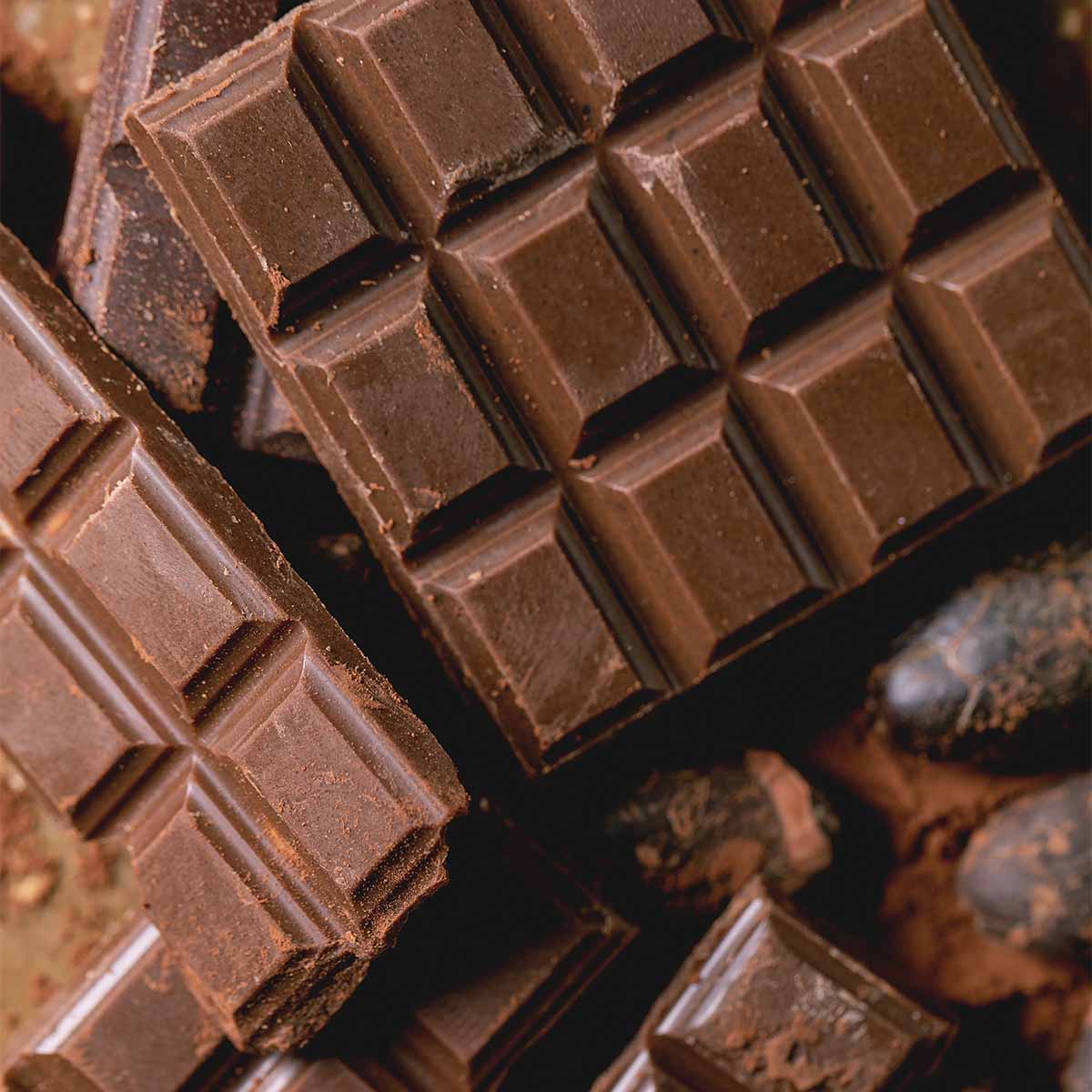
In 1828, the invention of the chocolate press revolutionized chocolate making. This innovative device could squeeze cocoa butter from roasted cacao beans, leaving a fine cocoa powder behind.
The powder was then mixed with liquids and poured into a mold, where it solidified into an edible bar of chocolate.
And just like that, the modern era of chocolate was born.
A Quick and Easy Chocolate Timeline
To better understand the evolution of chocolate, this simple timeline highlights some of the most important moments in chocolate history.
- 3300 B.C. The Mayo-Chinchipe people in present-day Ecuador begin using cacao.
- ca. 1800 B.C. The Olmecs prepare some of the earliest known cacao drinks.
- ca. 8th century A.D. The Maya use cacao beans as currency.
- 1500s The Aztecs drink cacao daily, and chocolate arrives in Spain.
- 1600s–1700s Chocolate houses become popular across Europe.
- 1828 The chocolate press revolutionizes chocolate making.
- 1847 J.S. Fry and Sons create one of the first solid chocolate bars.
- 1879 Rodolphe Lindt develops the conching process for smoother chocolate.
- Early 1900s Chocolate becomes more widely accessible around the world.
Modern-day Magnum Ice Cream
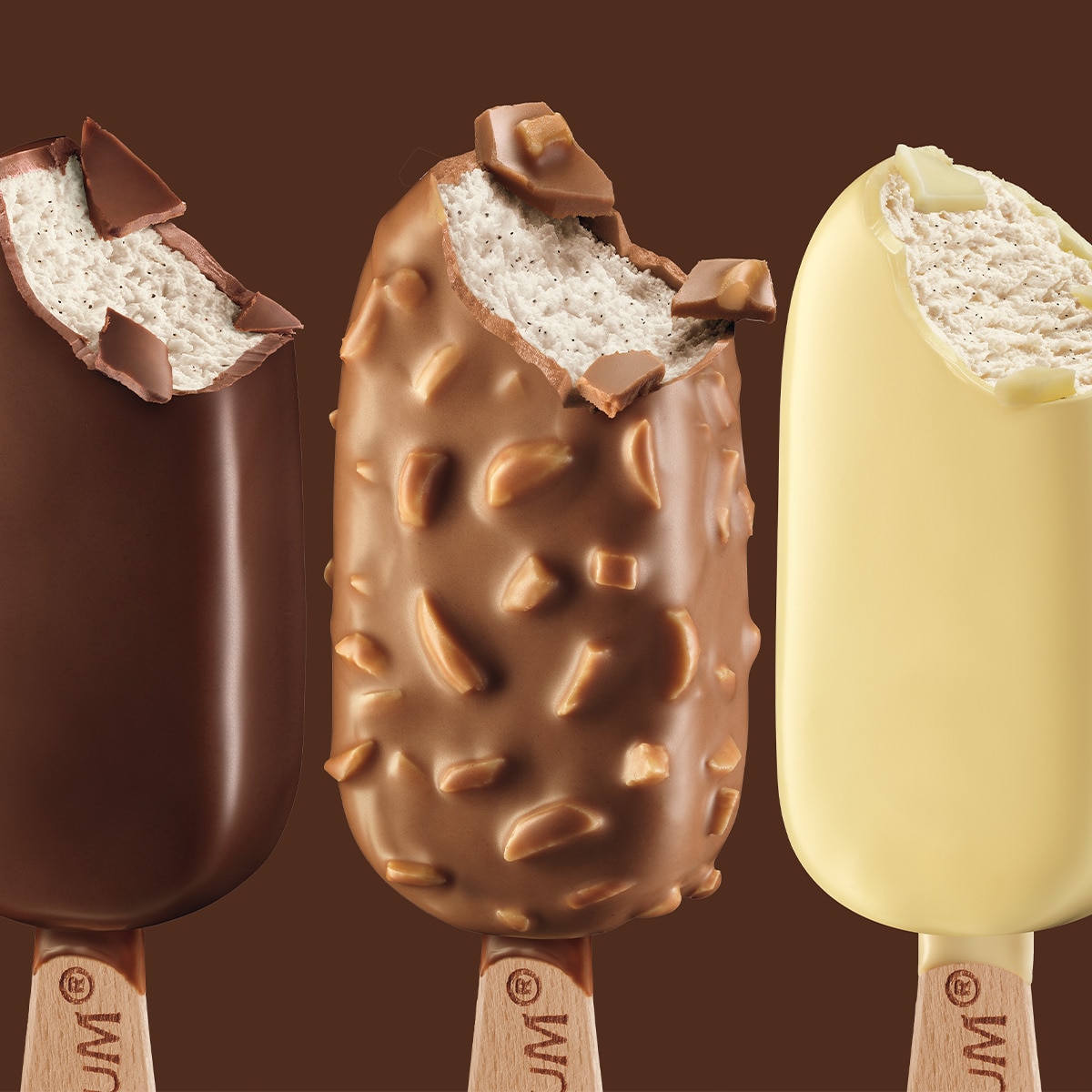
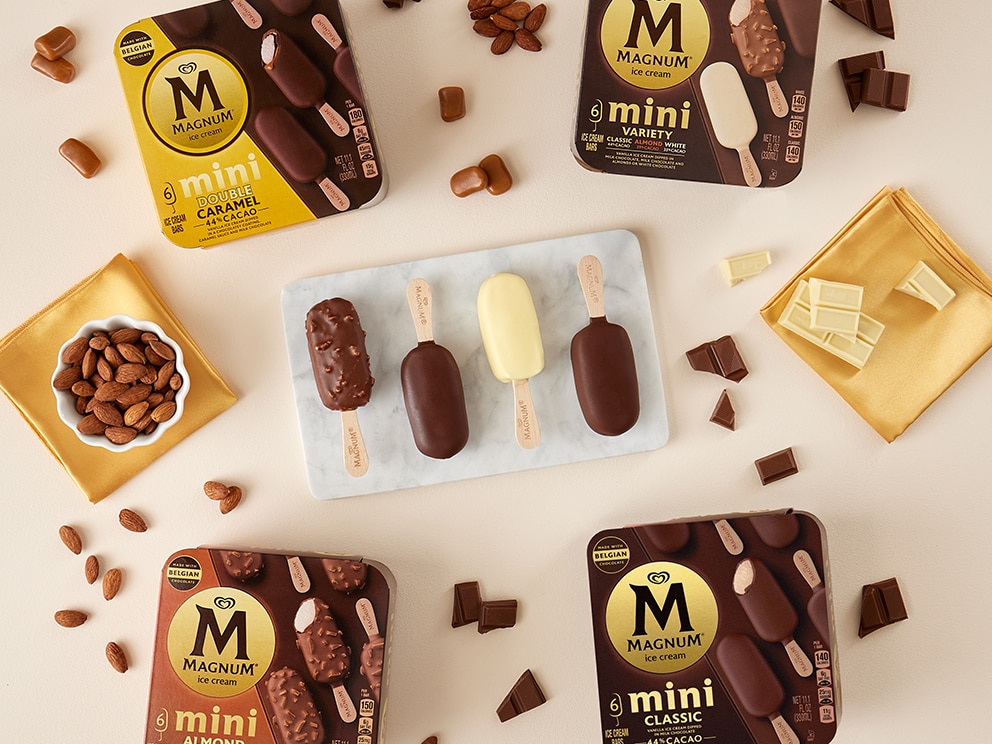
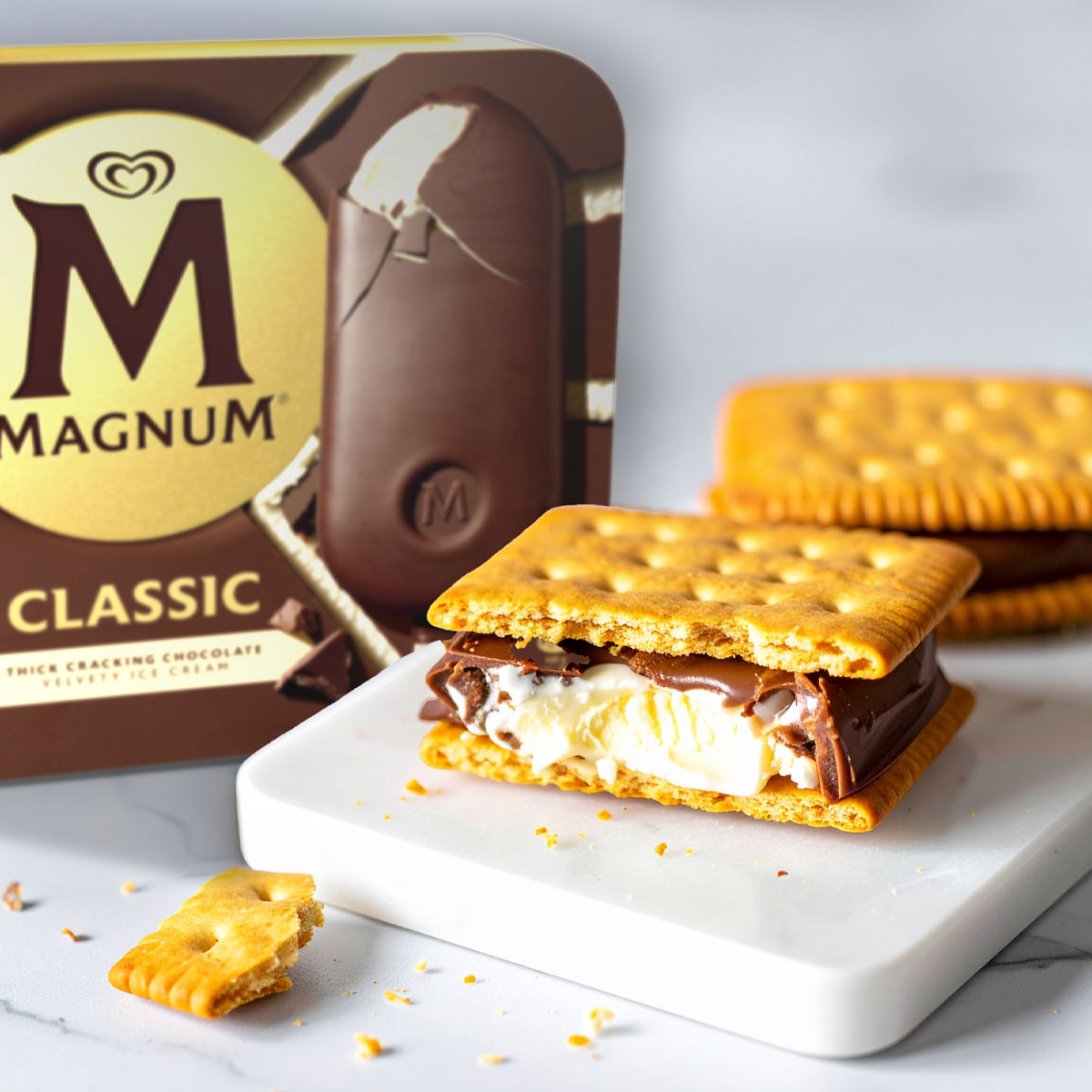
Fast forward a couple of centuries and Magnum Ice Cream bars appear on the scene. In 1989, Magnum first launched the Magnum Classic Ice Cream bar, known for its signature chocolate crack and smooth vanilla ice cream center. But the history and chocolate origin stories behind cacao craftsmanship remain an important part of Magnum’s story today.
Magnum’s origins lie in Belgium, where premium Belgian chocolate producers developed a unique chocolate coating designed to complement smooth vanilla ice cream with a distinctive cracking shell.
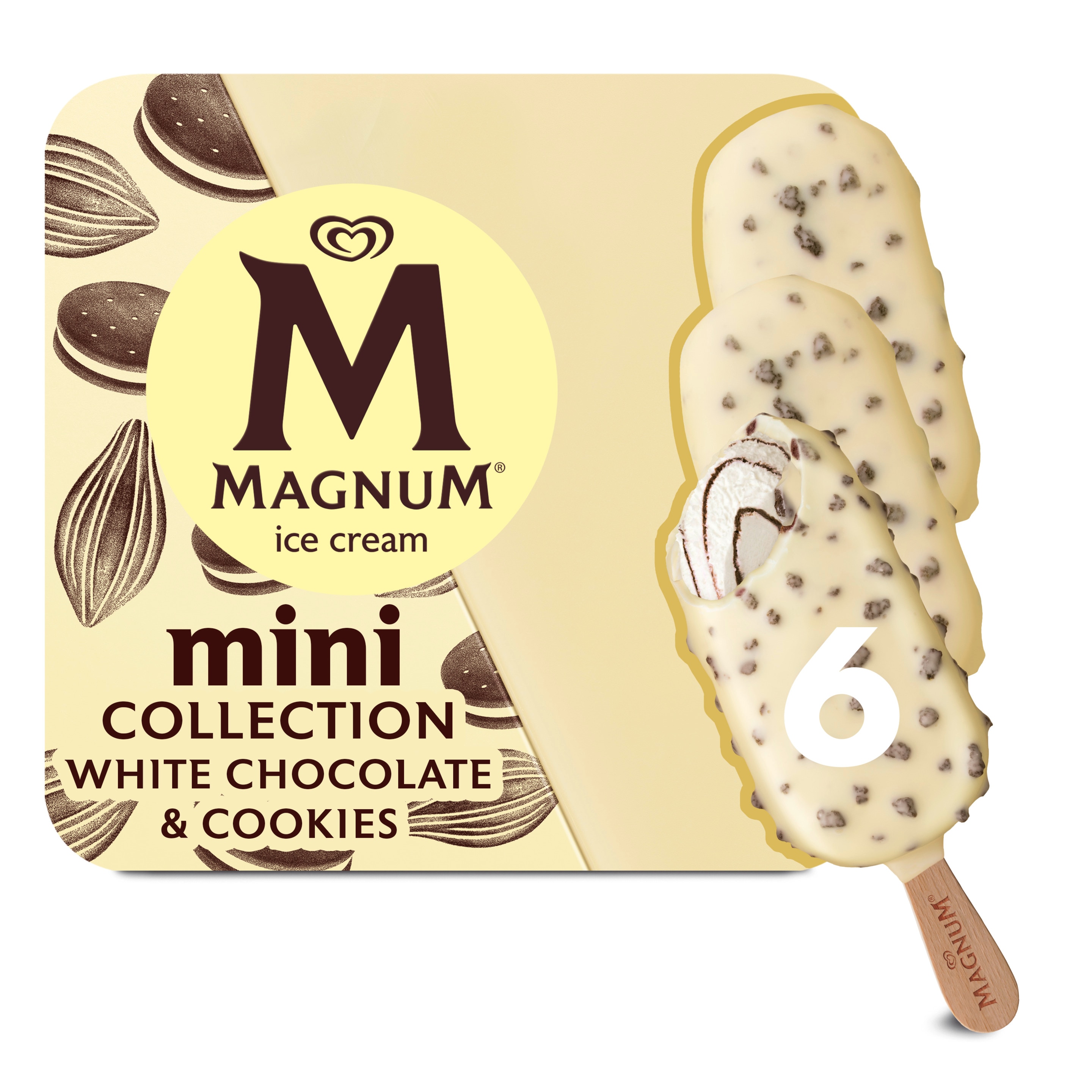
But just one flavor wasn’t enough. In 1992, several new Magnum ice cream bars were introduced, including White Chocolate and Almond. From Minis to Doubles, we’ve been elevating chocolate indulgence ever since.
Curious how the different chocolate coatings compare? Explore our guide to milk, dark and white chocolate to find your perfect match.
Chocolate Today
Today, chocolate exists in countless forms, from handcrafted desserts to premium chocolate ice cream bars enjoyed around the world. Yet many of the elements that made chocolate special centuries ago remain central to its appeal: cacao craftsmanship, layered texture, and the balance between bitterness and sweetness.
Modern chocolate makers, like Magnum, take pride in continuously refining techniques first developed generations ago, from roasting and blending cacao to crafting smooth textures and perfectly balanced chocolate coatings.
That dedication to craftsmanship remains central to the Magnum experience today. The signature chocolate crack, smooth velvety ice cream center, and layered textures reflect chocolate’s long evolution from ancient cacao beverages to the luxurious frozen treats we enjoy today.
So next time you take a bite of your favorite Magnum Ice Cream bar, take a moment to savor not only the flavor, but also the remarkable story behind every perfect crack of chocolate.
FAQs
Chocolate comes from cacao beans, which grow inside pods on cacao trees found primarily in tropical regions near the Equator. Ancient civilizations in Latin America were among the first known cultures to cultivate and use cacao, eventually transforming it into ceremonial drinks and early chocolate preparations.
Chocolate was not invented by one single person. Instead, it evolved over thousands of years through ancient civilizations such as the Olmecs, Maya, and Aztecs, who prepared cacao drinks and used cacao in rituals, trade, and daily life.
Chocolate originated in ancient Mesoamerica and parts of South America, where early civilizations first cultivated and consumed cacao. Archaeological evidence suggests some of the earliest cacao use may date back thousands of years to present-day Ecuador and surrounding regions.
There is no single discoverer of chocolate because cacao was already widely used by ancient American civilizations long before Europeans arrived. Hernán Cortés is often associated with introducing chocolate to Spain after encountering cacao beverages during his travels in the Americas.
Chocolate evolved gradually as ancient cultures experimented with cacao beans and learned how to roast, grind, and mix them into drinks. Over centuries, new techniques like the chocolate press and conching process helped transform cacao into the smooth chocolate products enjoyed today.
Chocolate was originally consumed as a bitter beverage made from roasted cacao seeds mixed with ingredients like water, chilies, and cornmeal. Ancient civilizations also used cacao during ceremonies, as medicine, and even as currency in some societies.
PRODUCTS
Select Your Indulgence

Next Stories
- slide 1
- slide 2
- slide 3
- slide 4
- slide 5
- slide 6
PRODUCTS
;Resize=(320,320))
;Resize=(320,320))
;Resize=(320,320))