Skip to:

Food
Why Does Magnum's Chocolate Shell Crack So Perfectly?
There’s a deeply satisfying sound that sets premium chocolate-coated ice cream bars apart, and with Magnum, you know it the instant you hear it. CRACK.
Your teeth meet a crisp layer of chocolate, the shell gives way, and cool, creamy ice cream waits beneath. That fleeting moment of resistance before the chocolate breaks is as much a part of the experience as the flavors that follow.
This signature crack doesn’t happen by chance. From the chocolate itself to the precise thickness of the coating and the cold ice cream beneath it, countless small details come together to create that unmistakable first bite.
What makes that premium chocolate shell break with such satisfying precision comes down to some clever chocolate science.
How Magnum's Chocolate Coating for Ice Cream Bars Is Made
An iconic crack begins with premium chocolate. Magnum uses real chocolate made with cocoa butter, the naturally occurring fat in cocoa beans that helps give chocolate its characteristic firmness and clean snap.
Compound-style coatings replace cocoa butter with other vegetable fats, which changes how they behave when you bite into them.
Getting that signature Magnum chocolate coating for ice cream bars just right is also a matter of precision. First, the ice cream is shaped and frozen to create a stable core.
Then comes the chocolate, applied in just the right amount and at the right temperature, so it flows smoothly over the frozen surface and settles into a glossy, deliberately thin layer. Too much coating makes the chocolate heavy, so it doesn't break cleanly.
Read more: Magnum Unwrapped: How an Icon Is Made
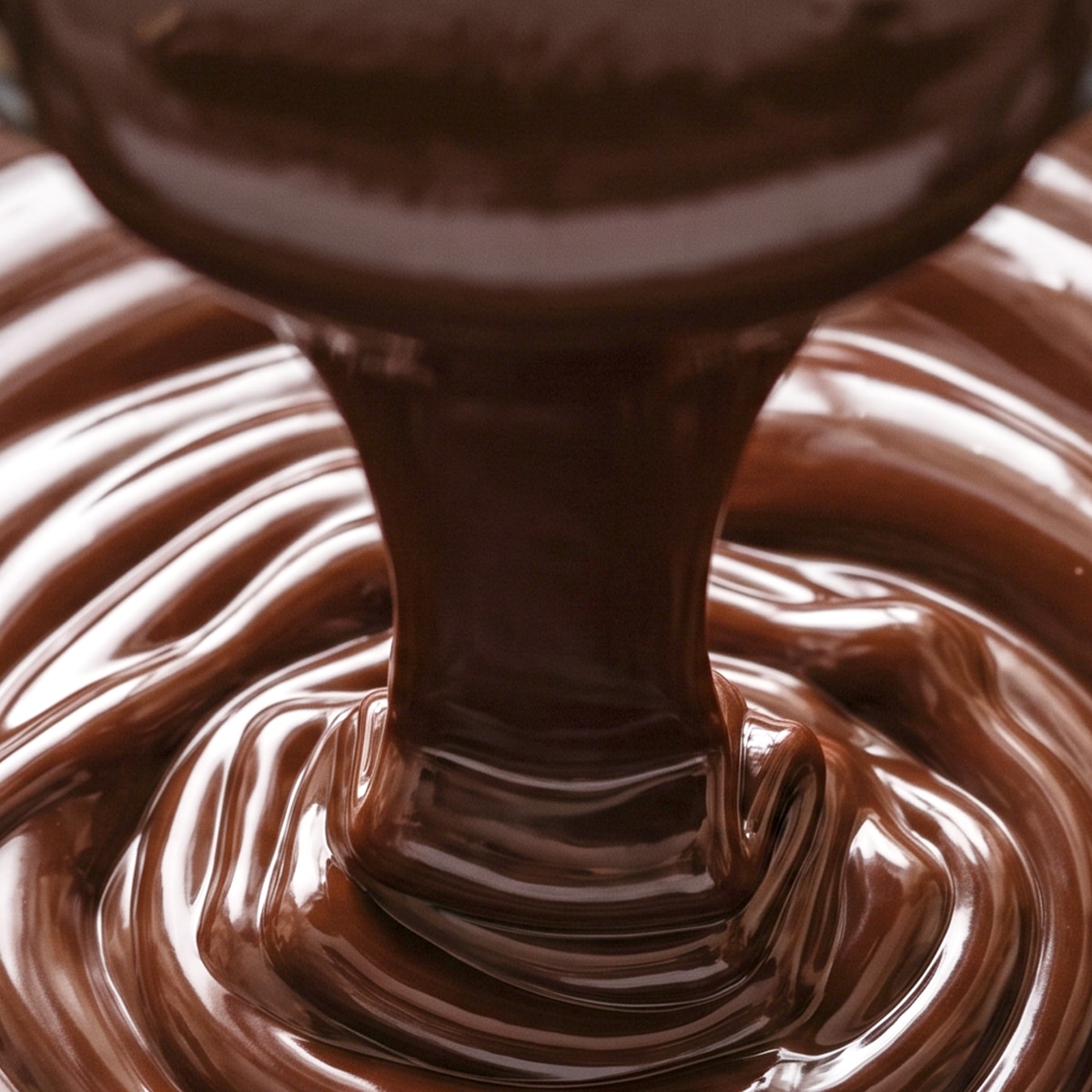
What Happens When You Bite into Chocolate-Coated Ice Cream
Chocolate may feel silky as it melts on your tongue, but in its solid state, cocoa butter forms a crystalline structure. Sink your teeth into chocolate-coated ice cream and you apply sudden pressure to that firm structure. Instead of simply giving way or squishing, the chocolate fractures along clean lines, producing the sharp crack you can hear and feel.
Tempering plays a role too. This careful heating and cooling process encourages cocoa butter to form stable crystals, giving properly tempered chocolate its glossy finish, firm texture, and reliable snap. Tempering is why a Magnum shell breaks so sharply rather than bending or crumbling.
A Magnum bar holds its shape long enough to break cleanly, then softens and melts in your mouth within seconds. That shift turns a single bite into a sequence of satisfying contrasting sensations.
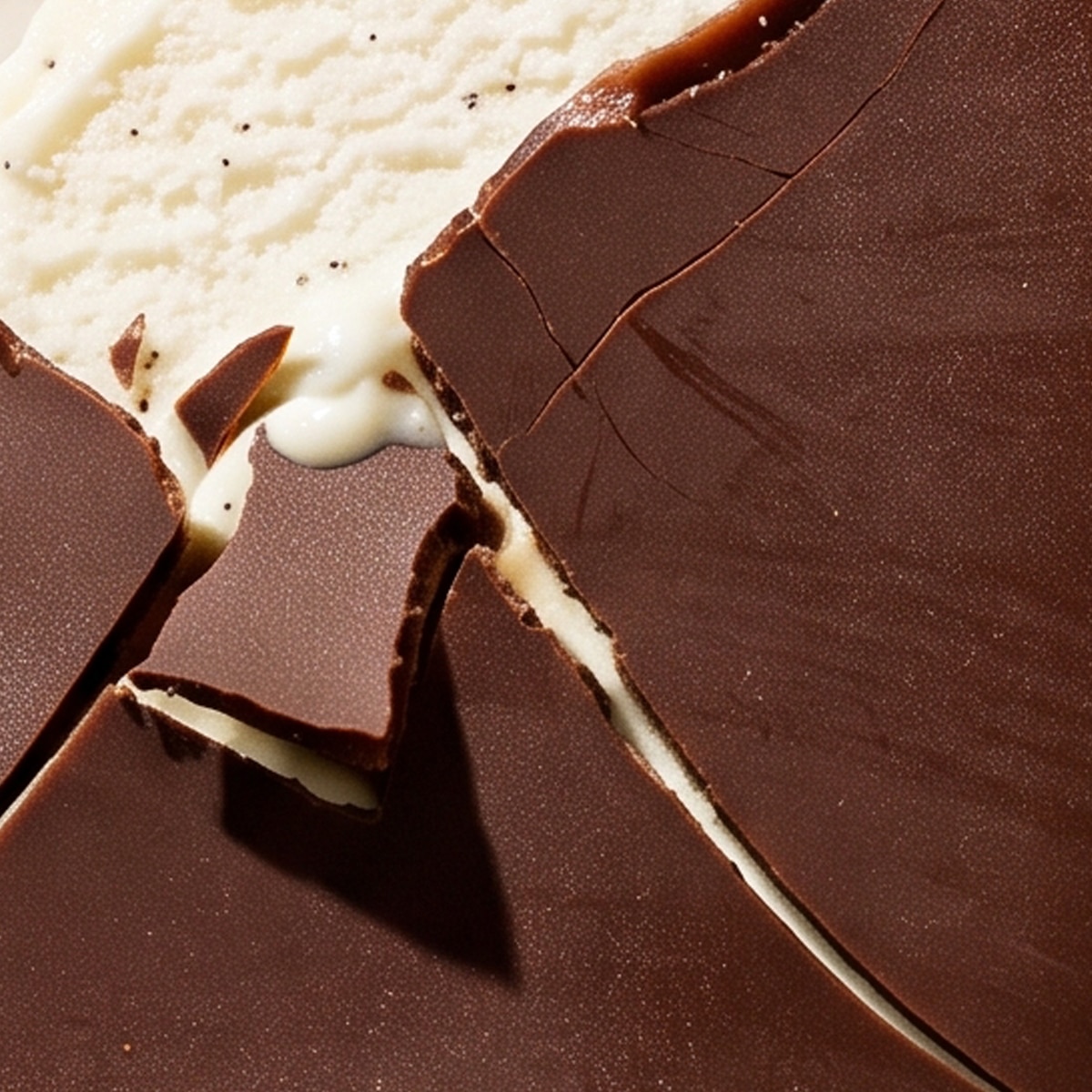
The Psychology Behind That Perfect Magnum Crack Sound
You hear a Magnum a split second before you taste it. That clear, audible crack sends an immediate cue to the brain, adding another layer of information to everything you're about to taste and feel.
Food scientists have studied how the sound of a bite, not just its taste or texture, shapes how people perceive food. A brighter, more pronounced crunch can make food seem crisper, which means the soundtrack of a bite has a surprisingly important role.
The signature Magnum crack is more than a satisfying side effect of breaking chocolate. It's one of the first sensory signals in the experience, arriving just before the flavors begin to unfold.
It's a quietly delicious reminder that pleasure doesn't belong to taste alone. Sometimes you can hear it coming.
Also see: The Ultimate Guide to Magnum's Chocolate-Coated Ice Cream
How to Enjoy the Perfect Crack Every Time
There’s a bit of art to the first bite. Give your icy-cold Magnum a beat out of the freezer, but don't wait so long that the chocolate loses its crisp edge. Then bite straight through the shell rather than approaching it at an angle, allowing the chocolate to crack cleanly against the ice cream beneath.
And while slowly working your way around the edges has its charms, chocolate-coated ice cream on a stick is made for biting. This is the quickest route to that wonderful meeting of chocolate and ice cream, with the coating still firm, the center beautifully cold, and all those contrasting textures exactly where they should be.
Key Takeaways
Here's what makes chocolate-coated ice cream treats like Magnum crack just right:
- Cocoa butter forms a crystalline structure that gives real chocolate its clean snap, fracturing cleanly under pressure rather than deforming. Compound-style coatings, made with other vegetable fats, behave differently.
- Cold matters. A frozen ice cream center keeps the surrounding chocolate firm and brittle, helping preserve its characteristic break until you're ready to enjoy it.
- The full Magnum experience brings those elements together in a single mouthful: an audible crack, crisp chocolate, cool ice cream, and contrasting textures that begin to melt together almost immediately.
Ready to Hear (and Taste) it for Yourself?
Every Magnum flavor starts with that same satisfying crack. Explore the full range and find your next favorite.
FAQs
Magnum's chocolate shell cracks because real chocolate has a structured network of cocoa butter crystals that fractures cleanly when pressure is applied. Kept firm against frozen ice cream, the carefully crafted coating gives way with a distinct crack rather than simply bending around the bite.
Magnum's chocolate differs from compound-style ice cream coatings because it uses real chocolate containing cocoa butter. Compound chocolate replaces cocoa butter with other vegetable fats, which changes how the coating behaves. Cocoa butter gives properly prepared real chocolate the firm structure needed to produce a clean, satisfying snap.
The sound of the Magnum chocolate crack can add to the sensory experience because sound influences how people perceive food. Research into "sonic seasoning" shows that crisp auditory cues can affect perceptions such as freshness and texture, making what you hear part of the experience alongside taste and touch.
Yes, the type and preparation of chocolate affect how it cracks. Properly tempered real chocolate forms a stable cocoa butter crystal structure that helps produce a clean snap. Compound coatings replace cocoa butter with other vegetable fats and behave differently, while untempered chocolate may not develop the same firm, consistent structure.
The chocolate shell on a Magnum bar is deliberately thin enough to fracture cleanly when bitten while still providing a distinct layer around the ice cream. Magnum applies the right amount of chocolate at a controlled temperature to create the shell thickness responsible for its characteristic crack.
Chocolate gets more brittle when cold because lower temperatures make its cocoa butter crystal structure firmer and less flexible. Against a frozen ice cream center, the chocolate stays rigid, so pressure from a bite is more likely to make the structure fracture rather than bend or deform.
PRODUCTS
Select Your Indulgence


Next Stories


- slide 1
- slide 2
- slide 3
- slide 4
- slide 5
- slide 6